CYCLING ROUTE · UTRECHT
Cycling Route National Park Utrechtse Heuvelrug and Grebbeberg
Cycle through a scenic rolling landscape featuring historic estates, stately tree lined avenues, expansive heathlands, drifting sand dunes, and diverse forests.
The Landscape
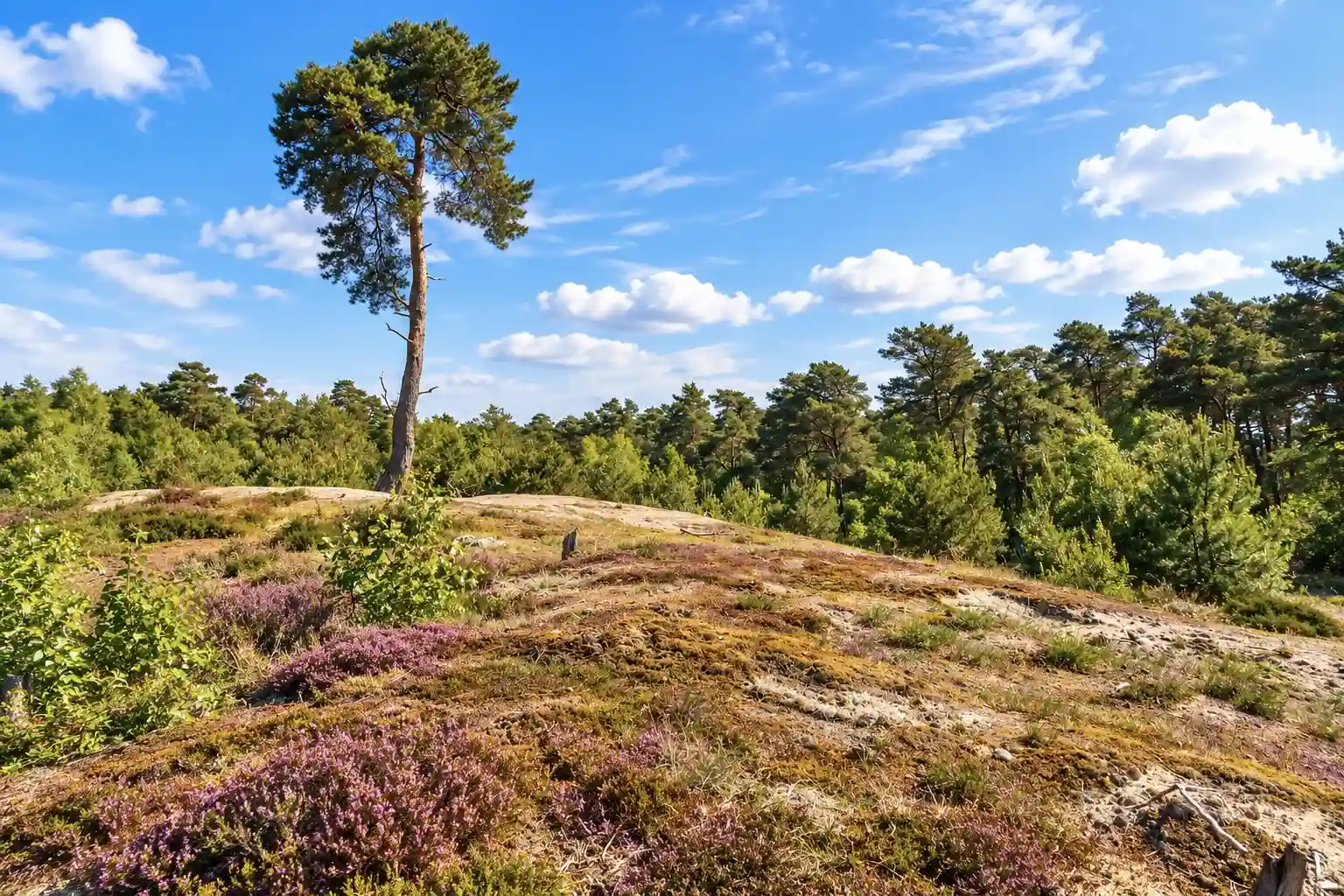
Utrecht is shaped by a long ridge of hills and meltwater valleys formed during the penultimate Ice Age more than 150,000 years ago. From the Gooimeer to the Grebbeberg, advancing ice pushed up sand and stones into an impressive glacial ridge covering 23,000 hectares, with a relief you can feel throughout your ride. Flint tools point to very early human presence, yet for centuries this area remained rugged and quiet.
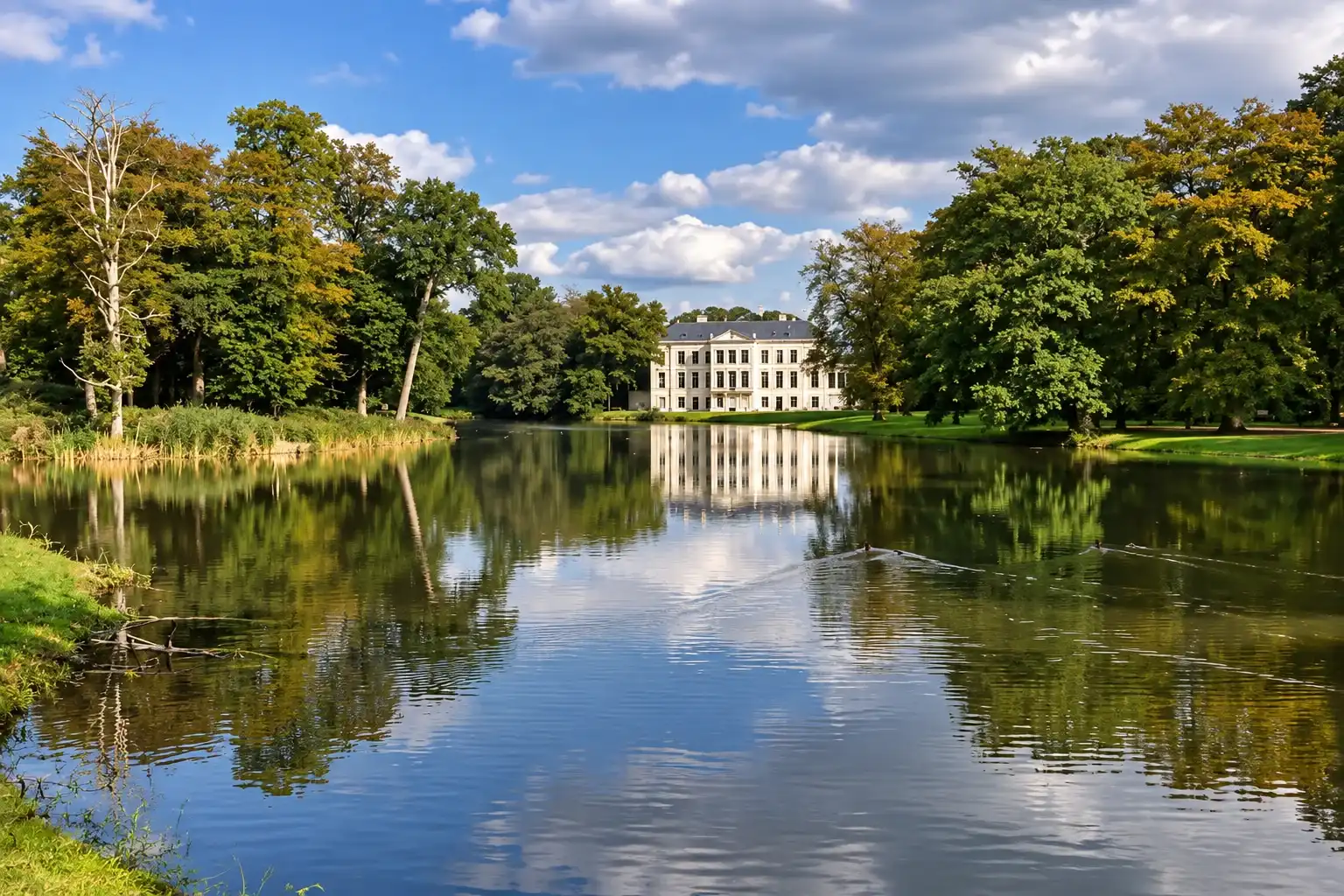
From the eighteenth century onwards, the southwestern flank developed into the Stichtse Lustwarande, a distinguished belt of country estates, castles and historic properties where nature and cultural heritage blend seamlessly. The Grebbeberg near Rhenen marks the end of the ridge, adding sloping woodlands, open fields and sweeping views across the Rhine Valley. Bunkers, trenches and the Military War Cemetery preserve the history of the Grebbelinie and the Battle of the Grebbeberg in 1940.
What You'll Discover Along the Way

Forests and Heaths
Between Leersum and Amerongen, quiet lanes wind through mixed woodlands, heathland, drifting sands and fens, while sandy elevations near Kwintelooijen create wide views.

Estates and Heritage
Historic estates, beech lined avenues and country houses shape the landscape around Prattenburg and Amerongen, while the Grebbelinie and Military War Cemetery add a powerful historical layer.

Rivers and Streams
Below the Grebbeberg, the Lower Rhine opens into wide, water rich floodplains. The Blauwe Kamer forms a striking transition from the dry elevated ridge to low wetland scenery.

Hills and Valleys
The route follows the glacial ridge of the Utrechtse Heuvelrug, passing the Amerongse Berg before descending towards Rhenen and the Grebbeberg with sweeping views over the Lower Rhine and Betuwe.
Virtual Cycling Through National Park Utrechtse Heuvelrug and Grebbeberg
Virtually cycle through the forests, heathlands and drifting sands of the Utrechtse Heuvelrug, with historic estates, quiet country roads and the rolling landscape around the Grebbeberg. Enjoy wide views towards the Rhine Valley and discover the varied character of this unique landscape from home.
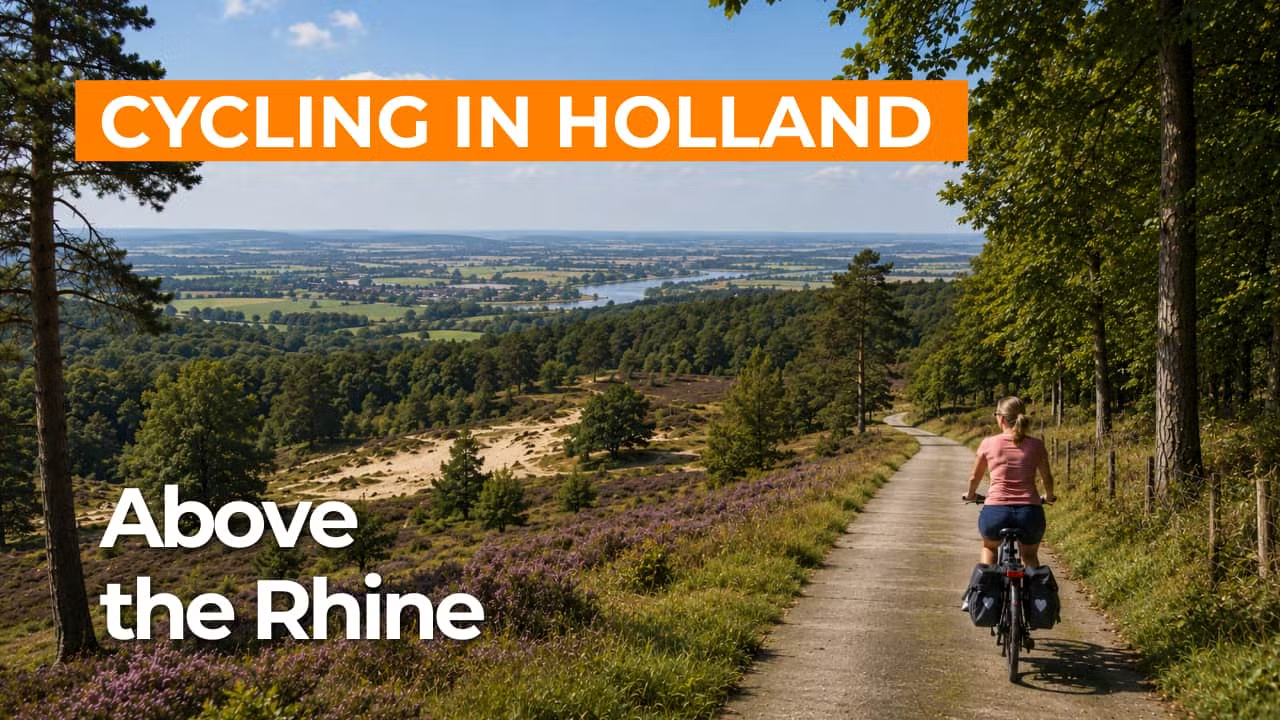
Experience the route from home with virtual cycling.
Route Map and Cycling Junctions
Start and finish at cycling junction 65 on the Groene Entree in Amerongen. Because this is a circular route, you can also start at one of the other cycling junctions along the route.
Route Details
Along the way: several options for a coffee break or lunch.
Discover More Cycling Routes
Explore more Utrecht landscapes and find your next cycling adventure in nature.
EXPLORE ALL CYCLING ROUTES IN UTRECHT →