CYCLING ROUTE · ZEELAND
Cycling route West Zeeuws Vlaanderen
Cycle through a historic dune and cultural landscape with wide ranging views over the sea, dunes, polders and historic creeks.
The Landscape
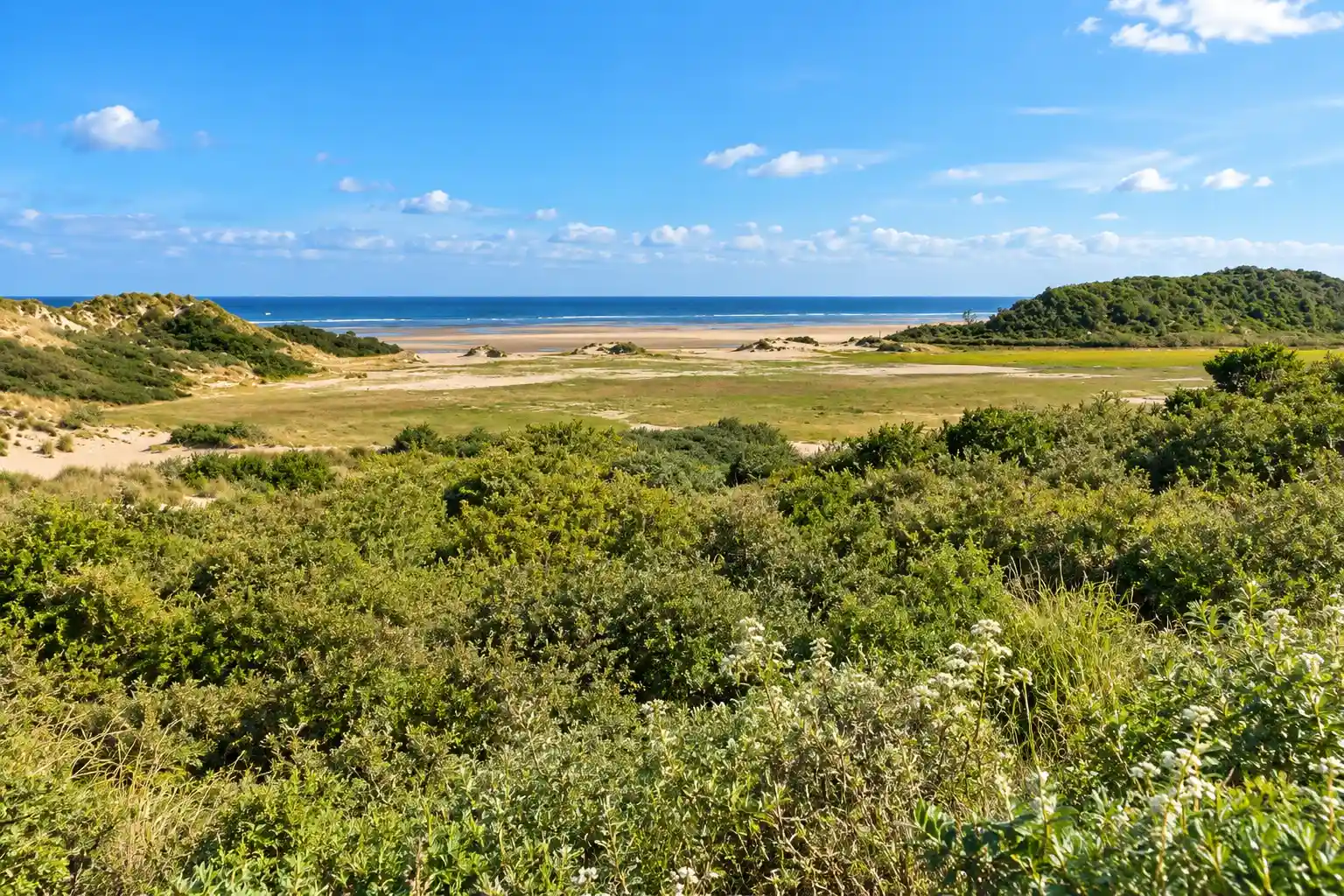
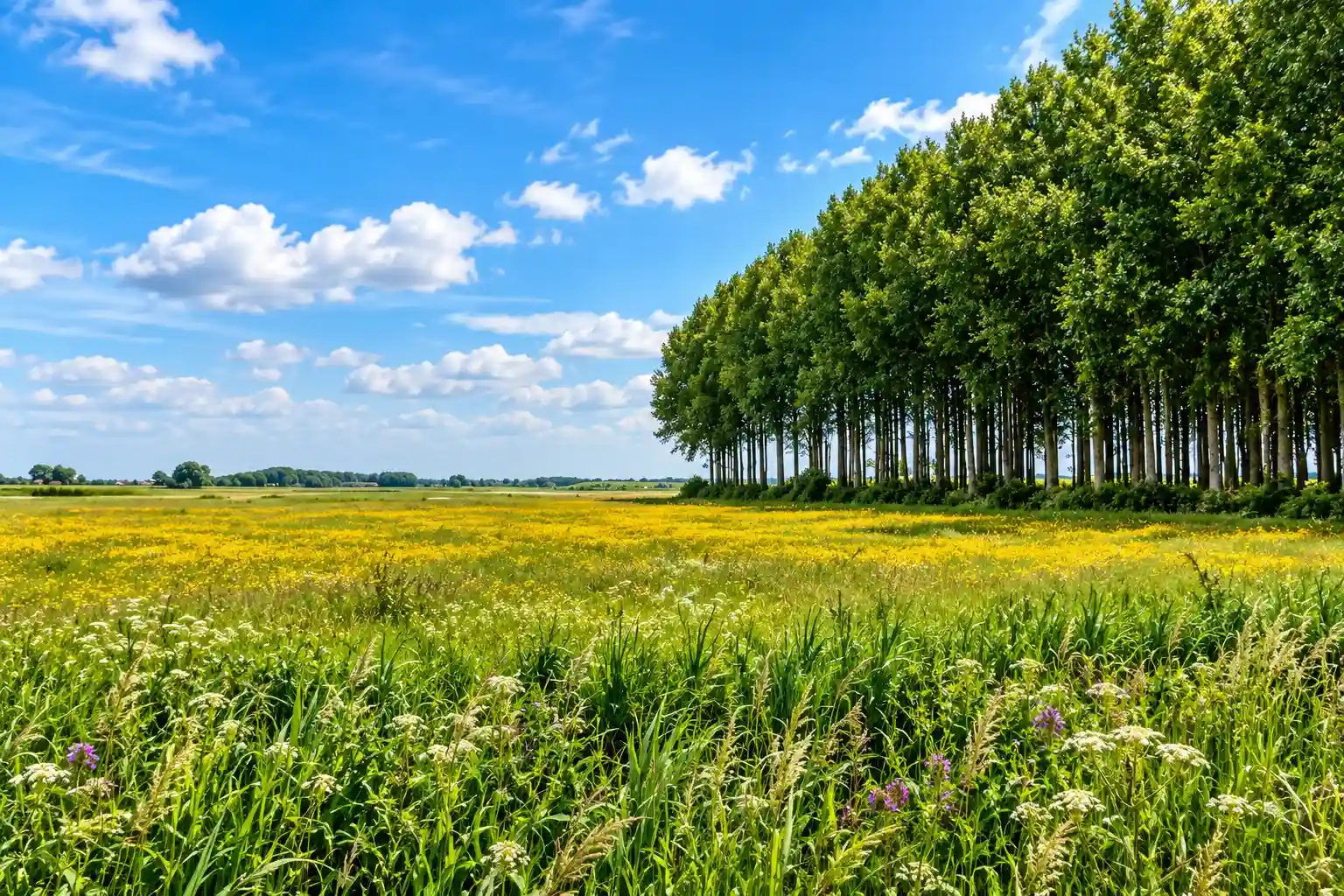
Between the Western Scheldt and the North Sea, West Zeeuws Vlaanderen unfolds as an elongated coastal stretch of beaches, dunes, dikes and salt marshes. This is the Land of Cadzand, known for its fresh sea air and wide open panoramas, where the light is almost always in motion. Beyond the coast lies a surprisingly green hinterland of quiet polders, straight waterways and historic creeks that reflect the waters that shaped this landscape for centuries.
In this border region, history remains visible in the landscape through the Dutch Spanish Lines, built in the sixteenth and seventeenth centuries and later used into the French era. While the forts have largely disappeared, their ramparts and moats still trace clear lines across the land, gradually evolving into nature areas with reeds, rough vegetation and bird habitats. Cycling here means experiencing a landscape where conflict, water management and nature development come together in a single story.
What You'll Discover Along the Way

Estates and Heritage
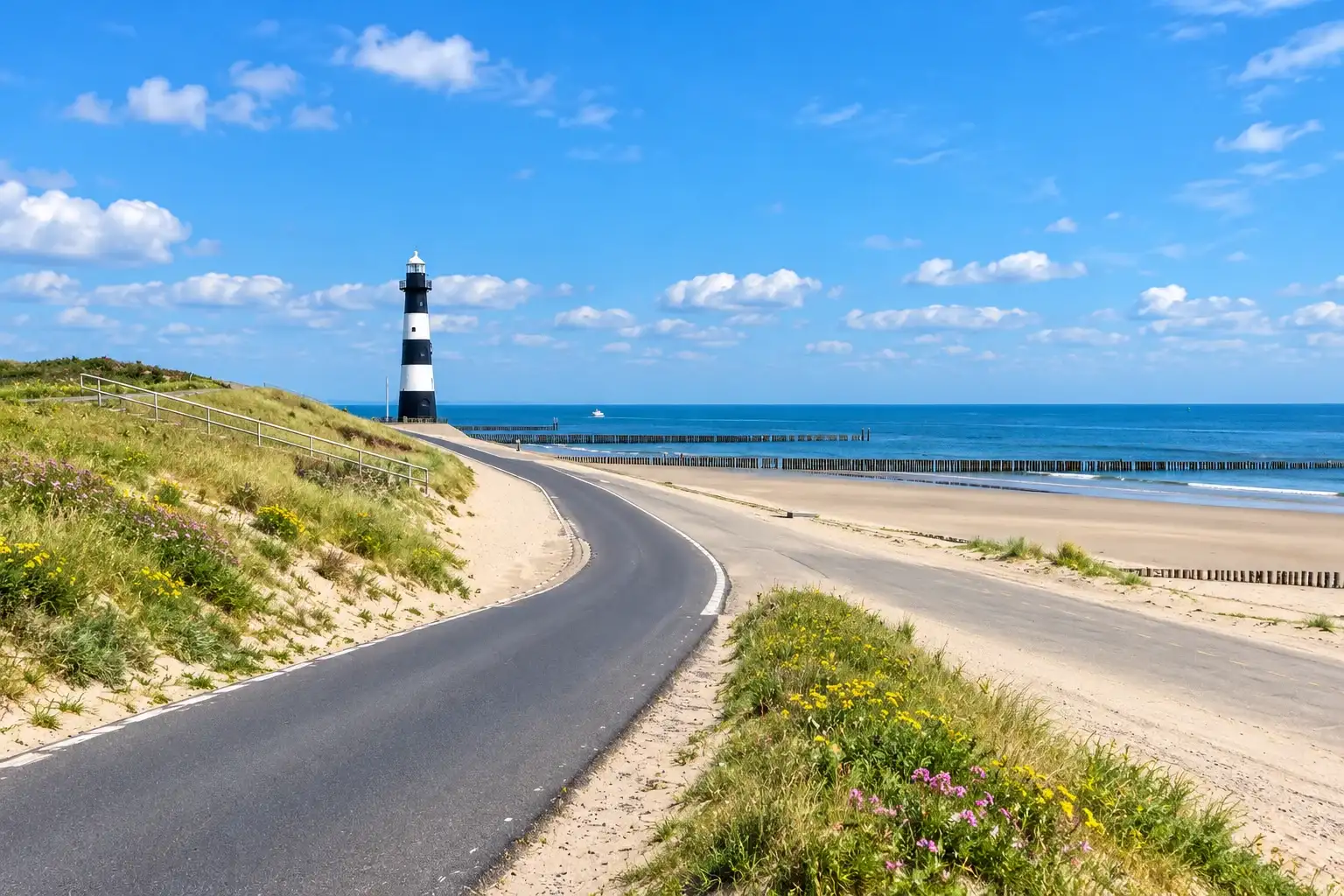
Groede, Sluis and Breskens reveal a rich cultural heritage, from historic village centers and medieval street patterns to the Risseeuw windmill, lighthouse and the remains of historic fortifications.

Coastal and Tidal Areas
Wide paths along beaches and dunes lead past the harbor and lighthouse of Breskens, the water rich landscape of Waterdunen, and the saline nature of the Verdronken Zwarte Polder and Het Zwin.

Polders and Farmlands
Wide polders with dikes, fields and long straight roads are crossed by canals and drainage waterways, with pollard willows, farmsteads and sheep adding quiet detail to the landscape.

Lakes and Wetlands
Historic creeks such as the Baarzandse Kreek and Nieuwekerksche Kreek, together with Het Groote Gat and the Verdronken Zwarte Polder, reveal a landscape shaped by fresh water, salt water and tides.
Virtual Cycling Through West Zeeuws Vlaanderen
Virtual cycling through West Zeeuws Vlaanderen takes you along the coasts of the North Sea and the Western Scheldt, with wide dune paths, dikes and panoramic views over beaches and salt marshes. Along the way, harbor scenes near Breskens and the saline nature of Waterdunen add variety and create that distinctive fresh coastal atmosphere.
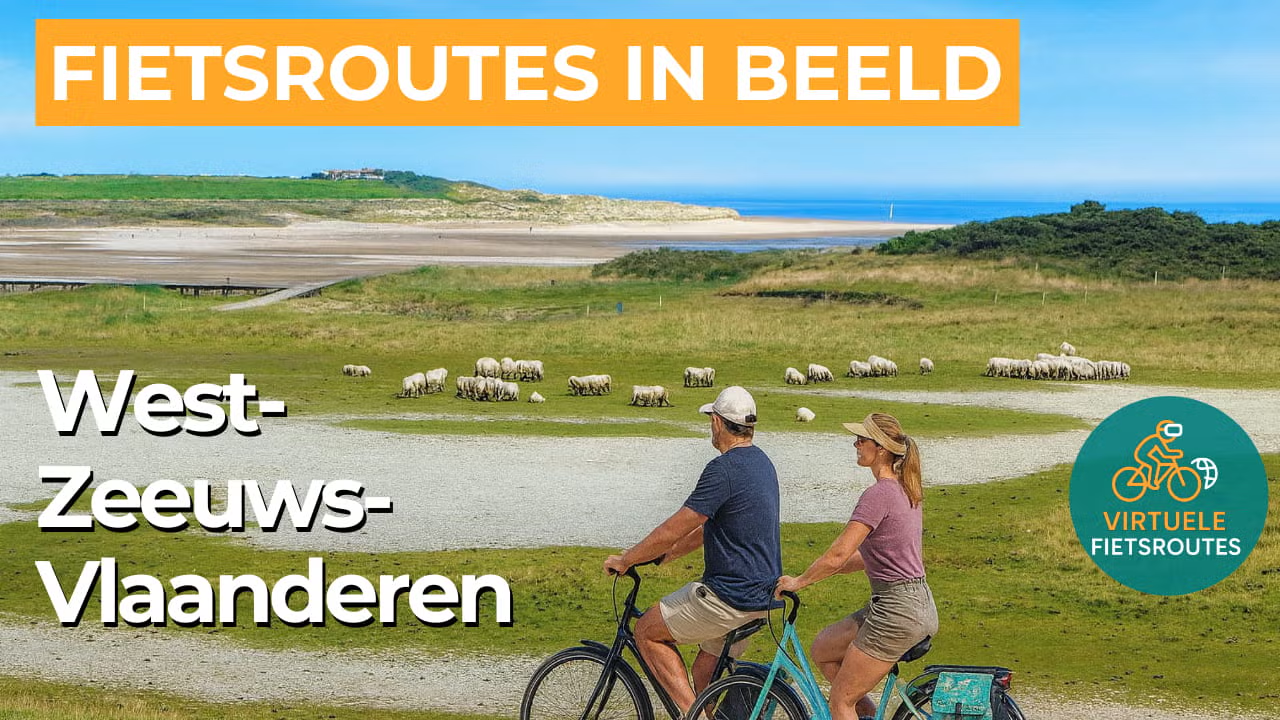
Experience the route from home with virtual cycling.
Route Map and Cycling Junctions
Start and finish at cycling junction 20 on the Duinovergang in Breskens. Because this is a circular route, you can also start at one of the other cycling junctions along the route.
Route Details
Along the way: several options for a coffee break or lunch.
Discover More Cycling Routes
Explore more Zeeland landscapes and find your next cycling adventure in nature.
EXPLORE ALL CYCLING ROUTES IN ZEELAND →