CYCLING ROUTE · LIMBURG
Cycling Route Maasduinen and Maasgaard
Cycle through a diverse landscape of forests, heathlands, river dunes, fens, stream valleys, floodplains, ancient river meanders, and rose fields.

The Landscape
In the north of Limburg lies National Park De Maasduinen, one of the Netherlands' most distinctive natural areas. The Meuse and the wind shaped this river terrace landscape over centuries, creating the longest river dune belt in Europe. Forests now stabilize much of the drifting sand, creating a varied landscape of rolling terrain, open sandy areas and greenery.
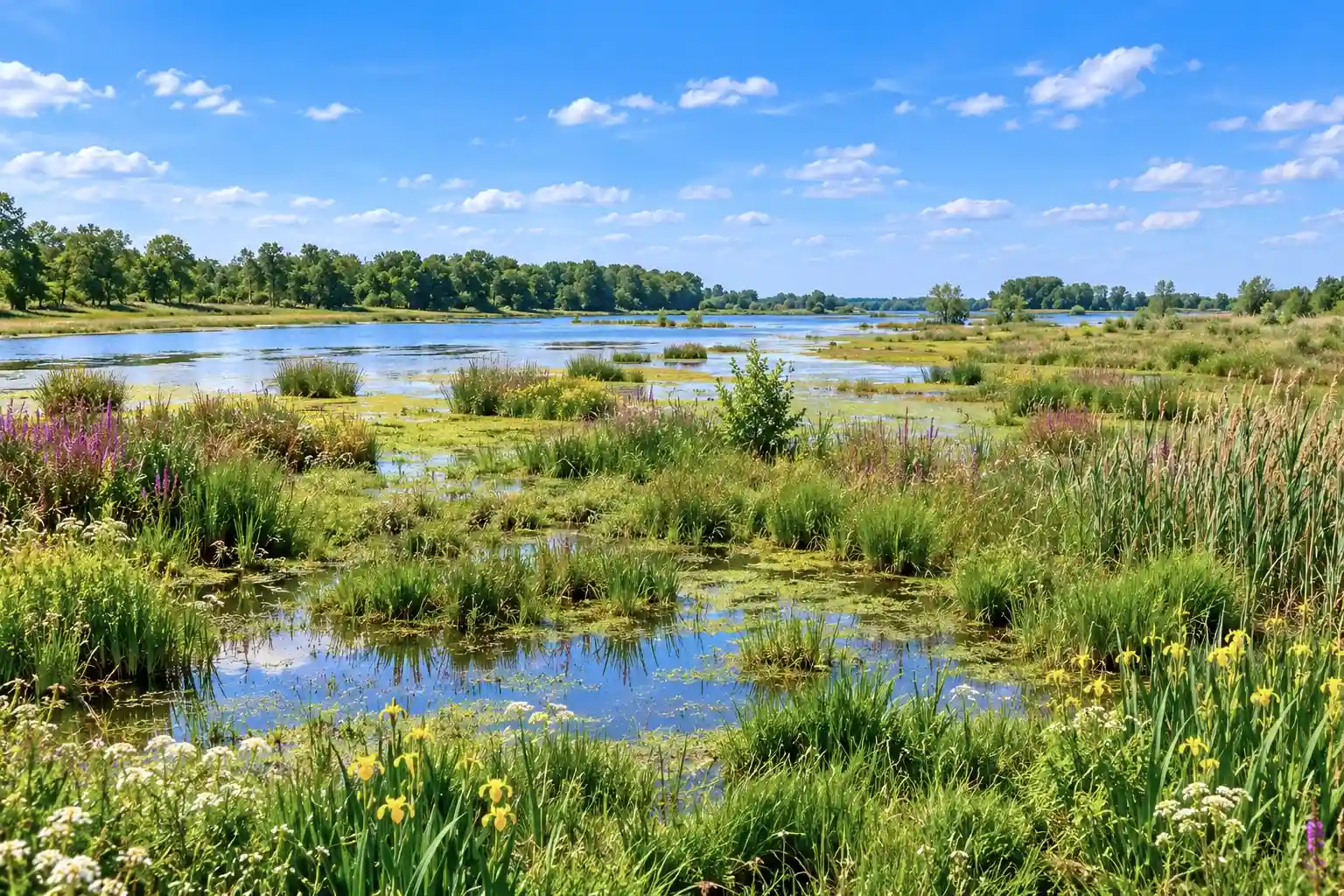
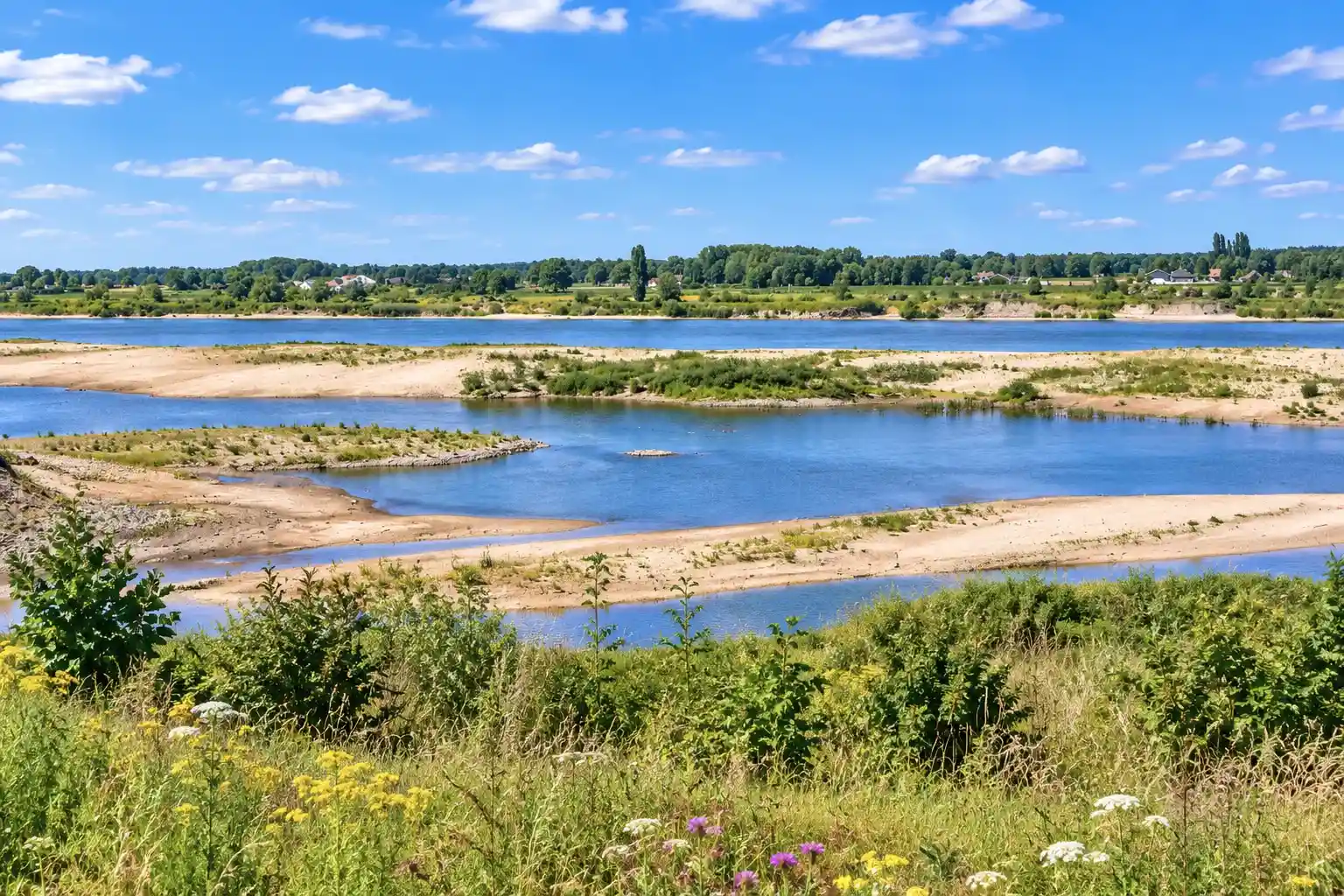
Beyond the Maasduinen, the Maasgaard brings nature, water, agriculture and recreation together. The landscape changes from the peat-rich Peel region and flower-rich stream valleys to the open Meuse Valley with its river branches and floodplains. Around Lottum, fields, orchards, farmsteads and rose fields add a distinctive rural character to the route.
What You'll Discover Along the Way

Forests and Heaths
Pine forests, young deciduous woodland, heathlands and open dune areas create a varied landscape with sandy soils and noticeable elevation changes.

Polders and Farmlands
Around Lottum, fields, orchards, farmsteads and hedgerows line quiet roads, while seasonal rose fields add colour to the open Meuse countryside.

Lakes and Wetlands
Quiet fens and pools lie between the forests and sandy areas, with reed-lined edges and reflective shores providing habitat for birds, dragonflies and amphibians.

Rivers and Streams
The Meuse, its floodplains and ancient meanders shape the river landscape, while smaller streams flow through flower-rich valleys and wet grasslands.
Virtual Cycling Through the Maasduinen and Maasgaard
Experience the Maasduinen with its river dunes, forests, heathlands, open sandy areas and quiet fens. The route then opens into the Maasgaard, where stream valleys, floodplains, rural roads and rose fields create a varied landscape along the Meuse.
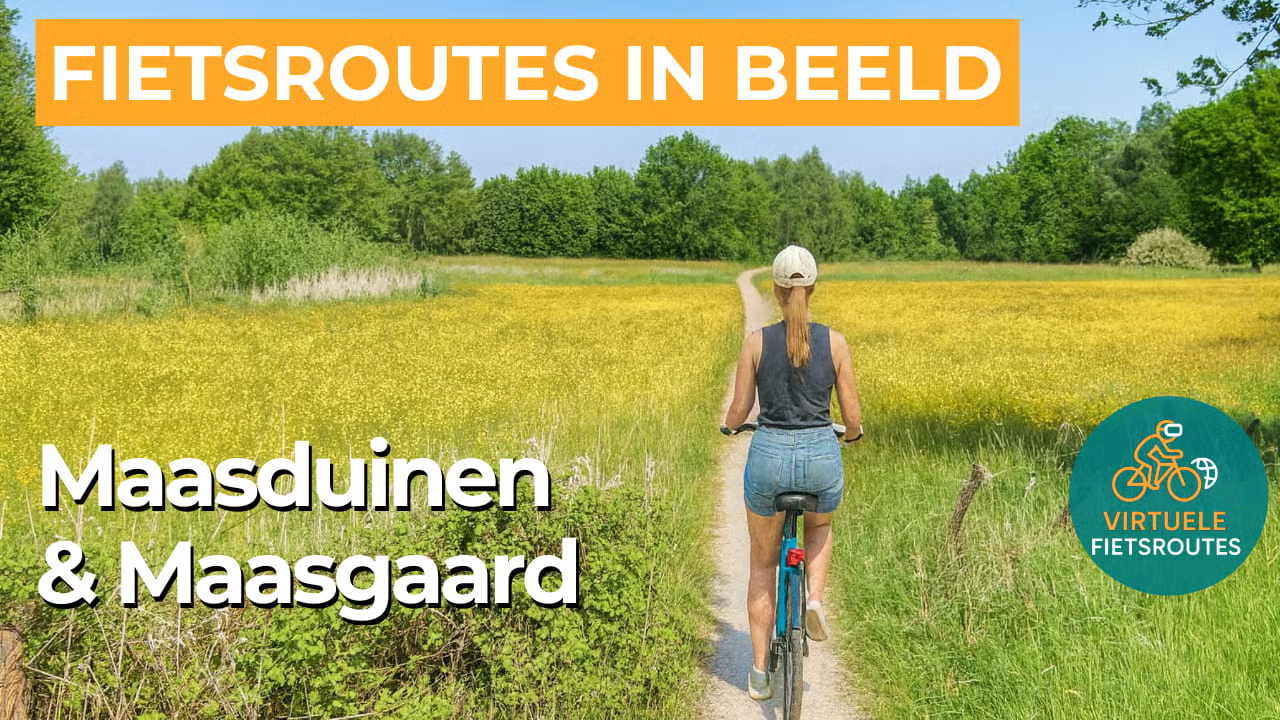
Experience the route from home with virtual cycling.
Route Map and Cycling Junctions
Start and finish at cycling junction 74 on the Twistedenerweg in Wellerlooi. Because this is a circular route, you can also start at one of the other cycling junctions along the route.
Route Details
Along the way: several options for a coffee break or lunch.
Discover More Cycling Routes
Explore more Limburg landscapes and find your next cycling adventure in nature.
EXPLORE ALL CYCLING ROUTES IN LIMBURG →